|
EXPERIENCE DETROIT
Attractions
& Self-Guided Tours
|
|
|
|
|
|
Historic Sites Tour
Tour Overview
Detroit was founded in 1701
when French Explorer Antoine de la Mothe Cadillac landed in what is now the Civic Center area of the
city. Tragically, the great fire of
1805 destroyed nearly all of Detroit's
historic sites. Many of those that
emerged from the ashes or were built since the fire have struggled to survive
recently due to the city's economic condition. Fortunately, through hard work,
persistence, and tremendous philanthropic efforts, a number of Detroit's historic
sites have been preserved and/or rebuilt.
This tour highlights six of the most significant historic sites in Detroit that are alive
and well and looking forward to your visit!
Skip To…
Tour Map
Related Tours
Resources
& Links
|
|
|
 Ford
Rouge Factory [A] Ford
Rouge Factory [A]
Vicinity of Miller Road &
Dix, Dearborn
Website
Henry
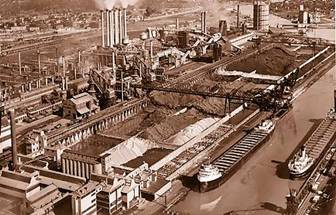
Ford's creation of this monsterous manufacturing complex ushered in an age of
tremendous American manufacturing might.
By 1927, the Rouge Factory had become the largest manufacturing
facility in the world and a symbol of industrial strength and ingenuity. The facility not only paved the way for the
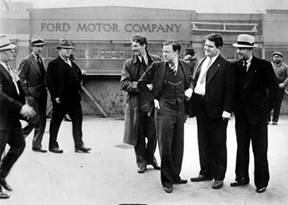
expansion of the auto industry, but it was also the site of the historic Battle of the Overpass
which resulted in the emergence of the powerful United Auto Workers. Ford gave new life to the aging Rouge
complex with a top-to-bottom overhaul initiated in 2000. The company spent three years and $2
billion turning the Rouge into a world-class and environmentally responsible
manufacturing gem. The improvements
include state-of-the-art manufacturing flexibility and the world's largest
ecologically inspired living roof.
|
|
 Fort
Wayne [B] Fort
Wayne [B]
6325 West Jefferson Avenue, Detroit
Website
Hard to imagine war with Canada!
Not in the 1840s, however, when tensions ran high with our
British-controlled neighbor to the north and Detroiters demanded a stronghold
to protect them from attack. The
threat of war with Canada
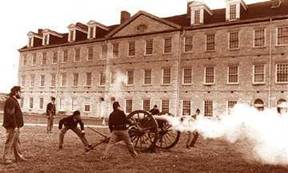
eventually faded, but the importance of the Fort increased. Fort
Wayne played major roles in the Civil War and both
World Wars. The Fort is open to the
public on weekends only, so make sure to plan accordingly.
|
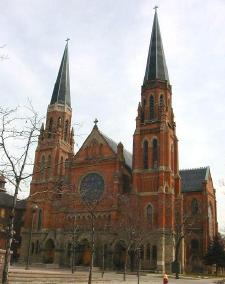
Ste. Anne de Detroit
[C]
1000 Ste. Anne St., Detroit
Website
Construction of the original Ste. Anne Roman Catholic Church
began a mere two days after Antoine de la Mothe Cadillac's landing in Detroit
in 1701. Due to fires and urban
renewal, Ste. Anne's was re-built eight times in its history. The present Ste. Anne's located near the Ambassador Bridge was completed in 1887. Ste. Anne's is the second oldest parish in
the country with an unbroken history, founded 75 years before the United
States of America came into existence, and is the sole operating entity that
dates to Detroit's founding. The
church's historical records are considered highly significant and
comprehensively document Detroit's
evolution from a French settlement to a British-claimed territory to a U.S. city.
|
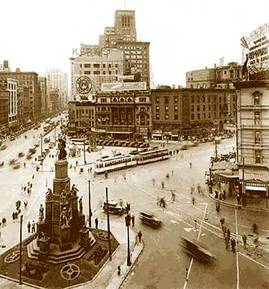
Campus Martius [D]
Intersection
of Woodward and Monroe
Website
A fire devastated the city
of Detroit in 1805, and the rebuilding process began in Campus Martius. The intersection
of Woodward and Monroe was designated the City's "Point of Origin",
from which a new street grid was developed.
With the Civil War Soldiers and Sailors Monument
serving as a marker, the park became the center of a bustling downtown area and a major
gathering place for citizens. By the
1960s, Campus Martius was no longer vibrant as the
city rezoned the area to accommodate increased downtown traffic and shifted
the focal point of the city to Hart Plaza. But, after a long hiatus, Campus Martius Park
is back -- and in a big way! In 1999,
the City initiated redevelopment of the park with the goal of creating the
best public space in the world. The
first phase of this project opened in late 2004 and includes sculptures, spectacular
lighted fountains, a seasonal ice skating rink, and two entertainment
stages. The park is anchored by the
new Compuware office center which complete with a spectacular 16-story
atrium, a waterfall, and retail and dining amenities.
|
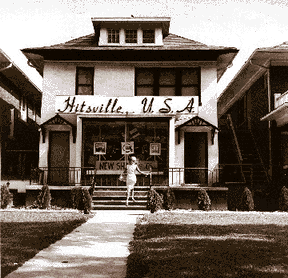
Motown Historical Museum [E]
2648 West Grand Boulevard, Detroit
Website
In 1959, upstart Detroit
songwriter and record producer Berry Gordy Jr. purchased a humble two story
home, moving his family into one half and setting up a studio in the
other. He christened it "Hitsville U.S.A.",
and from this building grew Motown from a startup business to what became by
the mid-70s the largest independent record company in the world. Motown expanded its operation by acquiring
some of the homes adjacent to Hitsville U.S.A., which
today house the Motown
Historical Museum. Among the many displays, visitors are
treated to a tour of the studio where Motown greats such as Martha Reeves and the Vandellas, Marvin Gaye, Stevie Wonder, Smokey Robinson
and the Miracles, the Temptations, the Four Tops, Gladys Knight and the Pips,
Diana Ross and the Supremes, and the Jackson Five actually recorded their
hits.
|
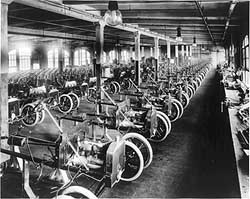
Ford Piquette Plant
- Birthplace of the Model T [F]
411 Piquette
Avenue, Detroit
Website
This 66,000 square foot
factory was the proving ground for the moving assembly line and birthplace of
the Model T, the car that would change the world. Otherwise known as Tin Lizzie, the Model T
was designed and developed by Henry Ford and a small group of dedicated
engineers in a secure third floor room inside this plant located on Piquette Avenue
just east of Detroit's
New Center area. The factory assembled nearly 12,000 Model Ts between 1908 and 1910 before Ford opened his Highland
Park Model T facility. There, the
assembly line technique was improved and another 12 million Tin Lizzies
produced. Tours of the Piquette Plant are offered periodically and for special
events.
|
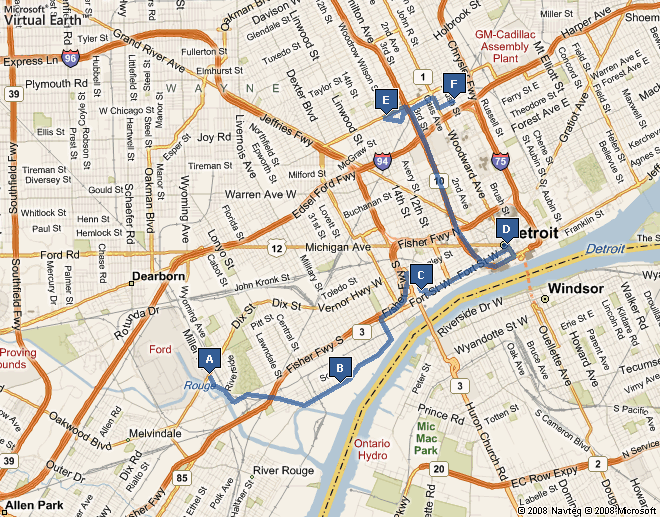
Tour
Map
Number of Destinations: 6
Overall Tour Time:
1 day (includes extended stops or tours at one or two of the sites)
|
|
|

Click
Me to Rent a Car!!!
|
Related
Tours
African
American Heritage
Architectural Tours
Automotive
Heritage
Downtown
Ethnic
Neighborhoods
Forgotten Landmarks
Historic Hines Drive
Mansions & Great
Estates
Museums
Woodward Avenue
Scenic Tours
|
Resources
& Links
HistoryDetroit
Michigan
Historical Markers
National
Register of Historic Places
|
|
|
|
|
Back to Top
Home
Page
|
|
|
|
|
|
|
|
|