|
EXPERIENCE DETROIT
Attractions
& Self-Guided Tours
|
|
|
|
|
|
Detroit's Music Heritage
|
|
In the early 1900s, large
numbers of southerners flocked to Detroit for good-paying jobs in the booming
automotive industry. Due to segregation and restrictions on
buying and renting property in the City, most of these migrants settled in a
neighborhood that became known as Black Bottom, or Paradise Valley. It is here that Detroit's music legacy
began, as Jazz and Blues greats forged the basis for future generations of
musicians in Detroit, nationally, and around the world.
|
|
|
 Jazz Jazz
Detroit's Jazz heyday was in
the 1920s, when the biggest names in music played ballrooms and clubs on
legendary Hastings Street in Paradise Valley.
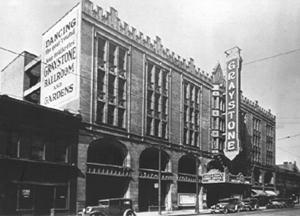
Jazz greats like Ella Fitzgerald, Duke Ellington, Billie Holiday, and
Count Basie performed regularly at the majestic Graystone
Ballroom, where Detroit's own McKinney's Cotton Pickers and the Jean Goldkette Orchestra perfected the Big Band Jazz
style. While neither Paradise Valley
nor the Graystone exist today, their legacies live
on in the spirit of Detroit's modern-day Jazz artists and in the highly
acclaimed Detroit International
Jazz Festival held at Hart Plaza
each Labor Day weekend.
|
|
|
 Detroit
Blues Detroit
Blues
Like
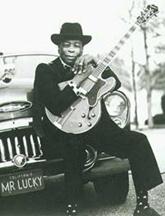
many other Paradise Valley residents, John Lee Hooker moved north from the
Mississippi Delta in the 1940s. Hooker
brought with him not only a desire for factory work, but also the foundations
of the Delta Blues. He, along with
other Detroit
bluesmen such as Baby Boy Warren, Calvin Frazier, and Bobo
Jenkins transformed traditional Delta Blues with electric amplified
instruments and the infusion of a more eclectic assortment of instruments
such as the bass and piano. They
worked in factories during the day and at night performed at classic Hastings
Street clubs such as the Flame Show Bar, Three Star Bar, and Forest Club. Hooker went
on to become internationally famous and perhaps the greatest Blues performer
of all time with his unique brand of foot-stomping boogie. Despite their significant influence, Detroit's other
bluesmen were less prolific due to the lack of record labels in Detroit at the
time. Sadly, Hastings Street is no longer and is now
buried beneath the Chrysler Freeway (I-75).
However, the sounds of that era are captured in the extensive
recordings of John Lee Hooker and the rarer performances of the other Detroit
bluesmen.
|
 Rock
& Roll Rock
& Roll
While Motown generated hit after hit of the more innocent variety, an
underground "garage band" movement was forming in Detroit in the
late 1960s. The MC5 pioneered this
movement, combining fast-paced, aggressive guitar work with gritty and
occasionally political lyrics. This
new Detroit sound is credited with having inspired the punk rock genre a
decade later. Detroit greats such as
Mitch Ryder and the Detroit Wheels, Iggy Pop and the Stooges, Bob Seger and the Silver Bullet Band, and Ted Nugent also
emerged during this era. During the
late 1960s and early 1970s, the legendary Grande
Ballroom fostered this Detroit talent and hosted the biggest names in rock
and roll.
|
|
|
 Detroit
Soul & the Motown Sound Detroit
Soul & the Motown Sound
Detroit's brand of Soul emerged in the late 1950s and early 1960s from
Gospel and R&B performers such as Aretha Franklin, known as the "Queen
of Soul" and generally regarded as one of the greatest vocalists of all
time. Local songwriter and record
producer Berry Gordy, Jr. built on Aretha's early Detroit success, growing
his rag tag Motown label from a startup business to what became by the
mid-70s the largest independent record company in the world. The "Motown Sound" was the
springboard that launched the careers of dozens of famous musicians. Visit the Motown
Historical Museum for more!
|
 Techno Techno
In the early 1980s, three high school friends in
the Detroit suburb of Belleville
experimented by mixing disco, dance, and house music. Juan Atkins, Derrick May, and Kevin Saunderson, or the "Holy Trinity" as they became
known, along with Eddie Fowlkes, are considered the
founders of Techno, the altogether new sound that emerged from this musical
fusion. Techno began taking hold in
the Detroit
and Chicago
club scenes in the late 1980s and exploded into a worldwide phenomenon when
European DJs discovered the unique combination of driving beats and digital
effects. Techno is alive and well in
Detroit today and is celebrated each year during Movement held at Hart Plaza each Memorial Day Weekend.
|
|
|
More Information
Click
on the links below to find related pages and other information on Detroit
Music:
Automotive Heritage Tours
Major Music Venues
Museums
Nightspots
Riverfront
|
|
|
|
|
|
Back to Top
Detroit
Music Main Page
Home
Page
|
|
|
|
|